How to Maintain Your Tires for Maximum Longevity
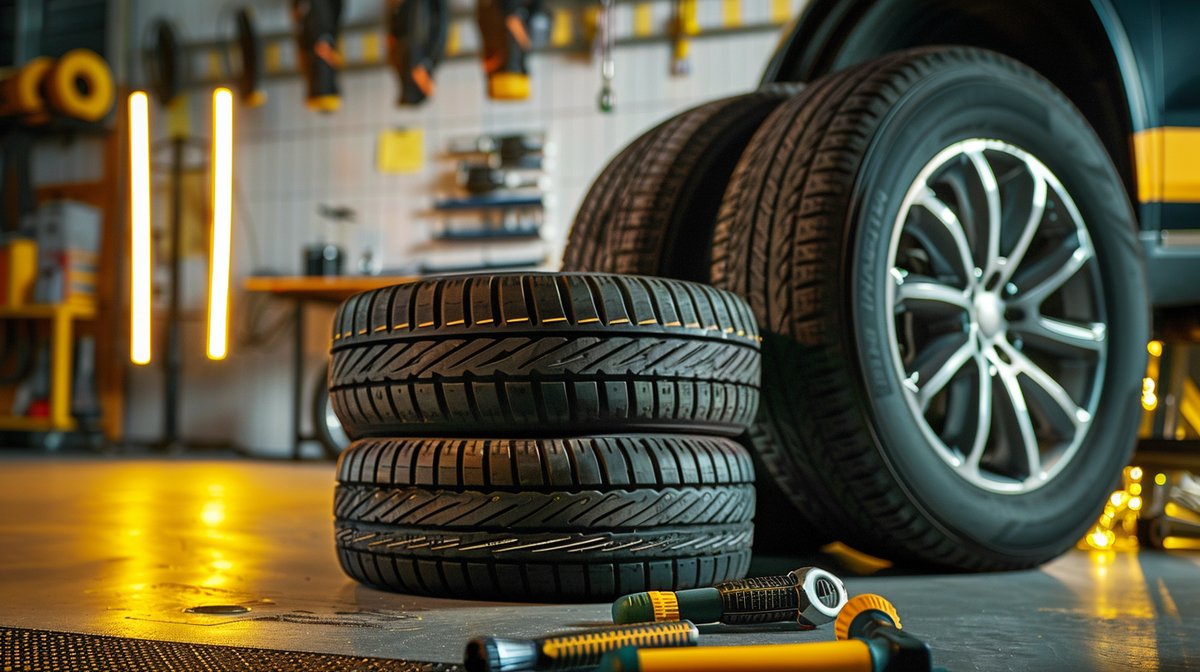
Extend your tire life with proper maintenance. Save money and stay safe with these essential tire care tips and techniques.
Why Tire Maintenance Matters
🛡️ Safety First
Properly maintained tires provide better traction, shorter stopping distances, and improved handling—especially in rain or snow.
💰 Cost Savings
Regular maintenance can extend tire life by 20-40%, potentially saving you hundreds of dollars in premature replacements.
⚡ Better Performance
Well-maintained tires improve fuel efficiency by reducing rolling resistance, saving you money at the pump.
🌍 Environmental Impact
Longer-lasting tires mean fewer tires in landfills and reduced environmental impact from manufacturing.
Essential Tire Maintenance Tasks
1. Check Tire Pressure Monthly
Why it matters: Underinflated tires are the #1 cause of premature tire wear and can reduce tire life by up to 25%.
How to Check:
- Check when tires are cold (before driving or at least 3 hours after)
- Find recommended PSI on driver's door jamb or owner's manual
- Use a reliable tire pressure gauge
- Check all four tires plus the spare
- Adjust pressure as needed
| Condition | Result |
|---|---|
| 10% underinflated | 10% shorter tire life |
| 20% underinflated | 30% shorter tire life |
| Overinflated | Reduced traction, harsh ride |
2. Rotate Tires Every 6,000-8,000 Miles
Why it matters: Front and rear tires wear differently. Rotation ensures even wear and extends overall tire life.
Benefits:
- Extends tire life by 20-30%
- Maintains consistent handling and traction
- Prevents uneven wear patterns
- Identifies alignment or suspension issues early
Typical Cost: $35-$75
Many shops offer free rotation with tire purchase or as part of service packages.
3. Check Tread Depth Regularly
The Penny Test:
- Take a penny with Lincoln's head facing down
- Insert it into the tire tread groove
- If you can see all of Lincoln's head, tread is too shallow (below 2/32")
- If part of Lincoln's head is covered, tread is still safe
- 4/32": Replace for rainy climates (recommended minimum)
- 2/32": Legal minimum (already unsafe in wet conditions)
- 1/32": Extremely dangerous—replace immediately
4. Inspect for Damage Monthly
Look For:
- Cuts or punctures in the tread or sidewall
- Bulges or blisters indicating internal damage
- Cracks in the sidewall (sign of age or damage)
- Foreign objects like nails, screws, or stones
- Uneven wear patterns (cupping, feathering, or one-sided wear)
If you notice bulges, deep cuts, or exposed cords, have the tire inspected immediately by a professional. These are signs of serious damage that could lead to blowouts.
5. Get Wheel Alignment Checked Annually
Why it matters: Misalignment causes uneven tire wear and can destroy a new set of tires in just a few thousand miles.
Signs You Need Alignment:
| Symptom | What It Means |
| Car pulls to one side | Wheels pointing different directions |
| Steering wheel off-center | Front wheels not parallel |
| Uneven tire wear | Alignment angles incorrect |
| Steering feels loose | Suspension/alignment issue |
Typical Cost: $75-$200
Many tire shops offer free alignment checks and will only charge if adjustment is needed.
Seasonal Tire Maintenance
☀️ Summer Preparations
- Check pressure more frequently (heat increases pressure)
- Inspect for heat-related cracking
- Ensure adequate tread for rain
- Check for uneven wear from winter driving
❄️ Winter Preparations
- Consider winter tires if you live in snow areas
- Increase pressure slightly (cold decreases pressure)
- Check tread depth (minimum 5/32" for snow)
- Inspect for damage from road salt and debris