Top 10 Signs Your Car Needs Immediate Repair
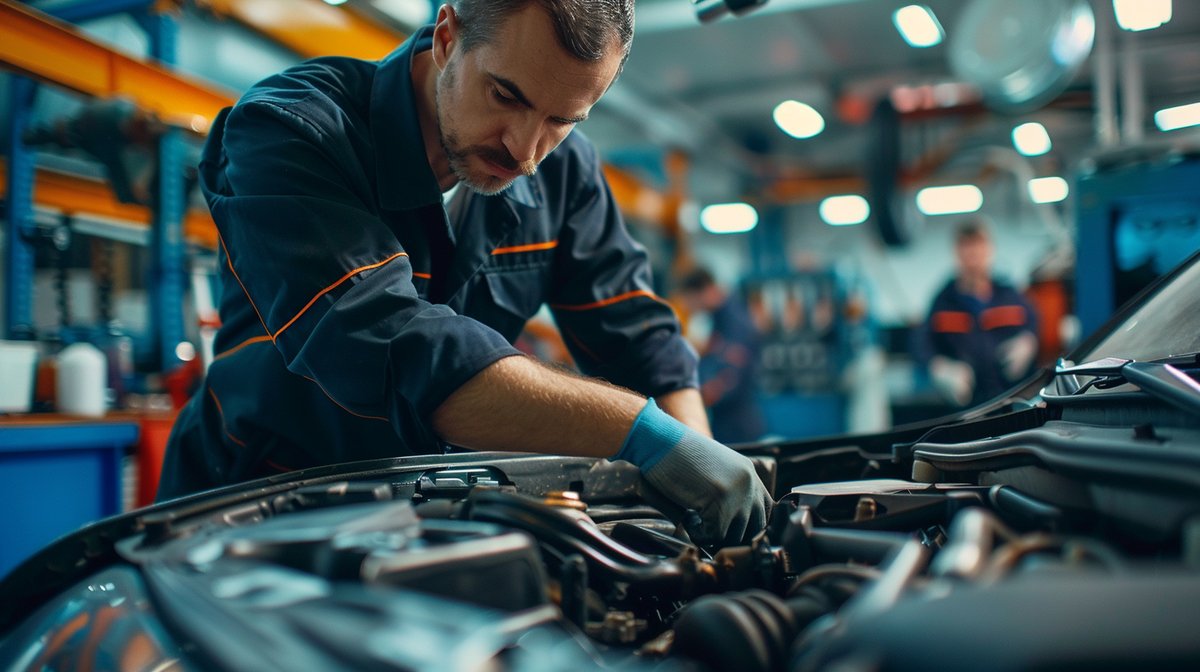
Your car communicates with you constantly through warning signs, strange noises, and performance changes. Ignoring these signals can transform a simple $200 repair into a $2,000+ disaster. This comprehensive guide helps you recognize critical warning signs, understand what they mean, and know when to seek immediate professional help.
Why Early Detection Matters
Automotive problems rarely fix themselves. What starts as a minor issue typically escalates into major damage if left unaddressed. Understanding the financial and safety implications helps prioritize repairs:
💰 Cost Savings
Catching problems early dramatically reduces repair costs. A $150 brake pad replacement becomes a $1,200 brake system overhaul if rotors warp from worn pads grinding metal-on-metal.
🛡️ Safety Protection
Many warning signs indicate safety-critical issues. Ignoring brake problems, tire wear, or steering issues puts you and others at serious risk on the road.
⏱️ Convenience
Addressing issues proactively lets you schedule repairs at your convenience, rather than being stranded on the roadside during a breakdown.
🚗 Vehicle Value
Well-maintained vehicles retain higher resale value and pass inspections more easily. Deferred maintenance shows in vehicle history reports.
Dashboard Warning Lights: What They Mean
Modern vehicles use dashboard warning lights to alert drivers to potential problems. Understanding these symbols helps you prioritize urgency:
🔴 Red Lights: STOP IMMEDIATELY
Red warning lights indicate critical issues requiring immediate attention. Continuing to drive can cause catastrophic damage or serious safety risks.
What it means: Engine is overheating and at risk of severe damage
Immediate action: Pull over safely, turn off engine, wait 30+ minutes before checking coolant
Potential cost if ignored: $3,000-$6,000+ for blown head gasket or warped cylinder heads
What it means: Critical brake system problem (low fluid, system failure, parking brake engaged)
Immediate action: Check parking brake first. If disengaged, stop driving and have vehicle towed
Potential cost if ignored: Complete brake failure, accident risk - invaluable
What it means: Engine isn't receiving adequate lubrication
Immediate action: Stop engine immediately. Check oil level when cool
Potential cost if ignored: $4,000-$8,000+ for complete engine replacement
What it means: Battery isn't charging properly; you're running on stored power only
Immediate action: Get to nearest mechanic ASAP before vehicle dies completely
Potential cost if ignored: Stranded vehicle, $200-$800 for alternator replacement
🟡 Yellow/Orange Lights: Schedule Service Soon
Yellow or orange lights indicate issues requiring attention within days or weeks, but typically don't require immediate stopping.
What it means: Emission system problem or engine sensor issue detected
Action needed: Get diagnostic scan within 1-2 weeks. If flashing, stop immediately
Common causes: Loose gas cap, oxygen sensor, catalytic converter, spark plugs
Typical cost: $20 (gas cap) to $2,000+ (catalytic converter)
What it means: One or more tires significantly underinflated
Action needed: Check tire pressures immediately, add air as needed
Impact if ignored: Reduced fuel economy, uneven tire wear, blowout risk
What it means: Anti-lock brake system has a problem
Action needed: Schedule service soon. Regular brakes still function, but ABS won't activate
Safety impact: Increased stopping distance on slippery surfaces
Strange Noises: Decoding Your Car's Cries for Help
Unusual sounds often provide the first warning of mechanical problems. Here's how to identify and interpret common noises:
Squealing or Screeching
| Noise Description | Likely Cause | Urgency | Est. Cost |
|---|---|---|---|
| High-pitched squeal when braking | Worn brake pads (wear indicators) | ⚠️ High | $150-$400 |
| Squeal when starting engine | Worn serpentine belt | 🟢 Medium | $100-$200 |
| Squealing during turns | Power steering fluid low/pump issue | 🟢 Medium | $100-$600 |
Grinding Sounds
| Noise Description | Likely Cause | Urgency | Est. Cost |
|---|---|---|---|
| Metal-on-metal grinding when braking | Brake pads completely gone, damaging rotors | 🔴 Critical | $400-$1,000+ |
| Grinding during gear changes | Transmission/clutch problems | 🔴 Critical | $1,500-$5,000+ |
| Grinding while turning | Worn CV joints or wheel bearings | ⚠️ High | $300-$800 |
Knocking or Pinging
Possible causes:
- Using wrong octane fuel: Switch to recommended grade ($0 fix)
- Carbon buildup: Fuel system cleaning service ($100-$200)
- Worn rod bearings: Major engine work ($2,000-$4,000+)
Action: Try higher octane fuel for one tank. If knocking persists, get professional diagnosis immediately.
Rumbling or Roaring
What it means: Exhaust system leak (muffler, catalytic converter, or pipe damage)
Why it matters: Beyond noise, exhaust leaks can introduce dangerous carbon monoxide into cabin
Urgency: High - affects safety and emissions testing
Cost: $100-$1,500 depending on component needing replacement
Performance Changes: Your Car's Subtle SOS Signals
Sometimes problems manifest through performance changes rather than obvious warnings. Recognizing these subtle shifts prevents major failures:
Starting Problems
Likely culprits:
- Weak battery (3-5 year lifespan) - $100-$200
- Corroded battery terminals - $0-20 to clean
- Failing starter motor - $300-$600
DIY check: Clean battery terminals first. If problem persists, test battery at auto parts store (usually free).
Possible issues:
- Fuel pump failure - $400-$800
- Dead battery (no cranking sound) - $100-$200
- Ignition system problems - $200-$600
- Security system malfunction - Varies widely
Acceleration and Power Issues
When pressing accelerator, engine hesitates, stumbles, or lacks power.
Common causes:
- Dirty fuel injectors - $50-$150 cleaning service
- Clogged fuel filter - $50-$150
- Faulty spark plugs - $100-$300
- Mass airflow sensor - $200-$400
Red flag: If accompanied by check engine light, get diagnosed immediately to prevent catalytic converter damage.
Fluid Leaks: The Colorful Warning System
Puddles under your parked car tell important stories. Learn to read them:
| Fluid Color | Likely Source | Urgency | Avg Repair |
|---|---|---|---|
| Clear (water) | A/C condensation (normal) or windshield washer | ✓ OK | $0 |
| Light brown/black | Engine oil | ⚠️ Medium | $150-$1,200 |
| Red/pink | Transmission fluid or power steering | 🔴 High | $200-$2,000+ |
| Green/orange/pink | Engine coolant/antifreeze | 🔴 High | $100-$1,500+ |
| Clear/yellowish | Brake fluid | 🔴 Critical | $150-$600 |
Tire Warning Signs
Your tires are your only contact with the road. Recognizing tire problems prevents accidents and costly replacements:
Tread Wear Patterns
Cause: Overinflation
Fix: Reduce tire pressure to recommended PSI
Prevention: Check pressure monthly
Cause: Underinflation
Fix: Inflate to proper pressure immediately
Risk: Can lead to blowout if severe
Cause: Misalignment
Fix: Wheel alignment ($75-$200)
Note: Will ruin new tires if not fixed first
Cause: Worn suspension components
Fix: Suspension repair + tire replacement
Cost: $400-$1,500+
The Penny Test for Tread Depth
- Insert a penny into tire tread groove with Lincoln's head upside down
- If you can see all of Lincoln's head, tread is 2/32" or less - time for new tires
- Repeat test in multiple locations across each tire
- Check all four tires - uneven wear indicates alignment/suspension issues
Legal minimum: 2/32" tread depth. Recommended replacement: 4/32" for better wet weather performance.
When to Seek Professional Help Immediately
Some situations require immediate professional attention, regardless of other symptoms:
- Brake pedal goes to floor or feels spongy
- Steering wheel locks up or becomes extremely difficult to turn
- Smoke coming from under hood or inside cabin
- Strong smell of gasoline inside or outside vehicle
- Vehicle pulls strongly to one side while braking
- Airbag warning light stays on
- Loud explosion sound followed by loss of power
- Transmission won't shift out of park
- Temperature gauge in red zone
- Oil pressure light stays on while driving
Creating a Maintenance Schedule
Proactive maintenance prevents most unexpected repairs. Follow these intervals:
| Maintenance Task | Frequency | Why It Matters |
|---|---|---|
| Oil Change | Every 5,000-7,500 miles | Prevents engine wear and failure |
| Tire Rotation | Every 6,000-8,000 miles | Extends tire life 20-40% |
| Brake Inspection | Every 12,000 miles | Safety critical, catches wear early |
| Battery Test | Annually (especially 3+ years old) | Prevents getting stranded |
| Coolant Flush | Every 30,000-50,000 miles | Prevents overheating and corrosion |
| Transmission Service | Every 30,000-60,000 miles | Avoids $3,000+ transmission replacement |
Financing Your Repairs
Recognizing car problems early is important, but you also need a plan to pay for repairs. If you don't have $500-$2,000 saved for auto emergencies, consider these options:
- Loan amounts: $500-$5,000 for any repair
- Bad credit accepted - most applicants approved
- Apply online in 5 minutes
- Same day funding available
- Use at any mechanic or repair shop
Don't let lack of cash delay critical repairs. Address problems early while they're still affordable.
Need Repair Financing? Get Approved Today
Don't wait until small problems become expensive disasters. Get the cash you need for repairs now.
Apply Now - Get Funds Fast